|
The HR Newsletter of the Council of Industry
October 6th, 2026
|
|
|
‘Walk, Crawl, Run.’ Council Program Hosted by Marist Provides Manufacturers an AI Implementation Framework
|
|
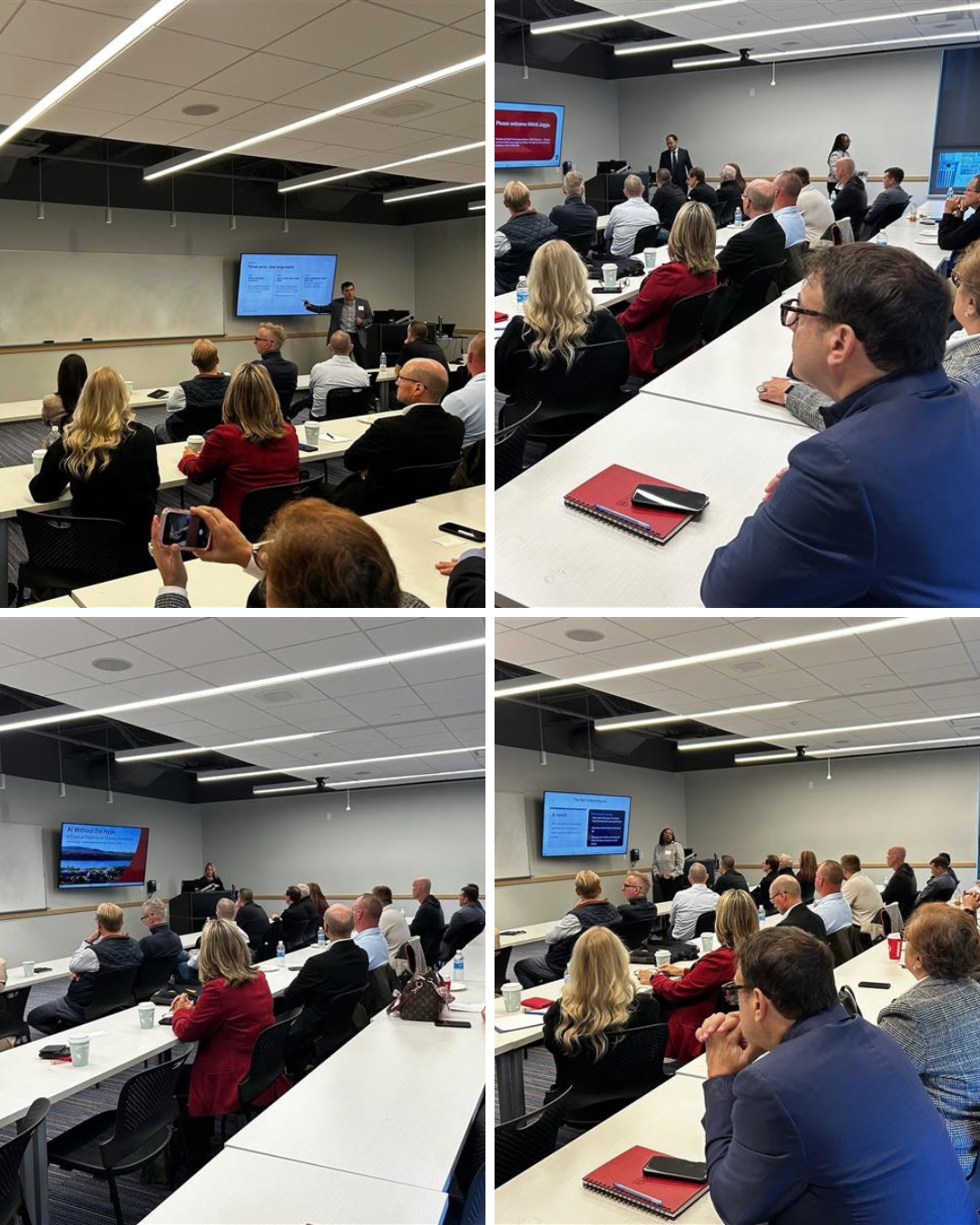
Thank you to everyone who joined us at Marist University for AI Without the Hype: A Practical Roadmap for Growing Businesses. The session brought together business leaders to move beyond the buzz surrounding artificial intelligence and explore practical ways organizations can begin putting AI to work today.
Presenters Nikhil Jagga of CMIT Solutions, Dr. Barry Silverman and Henrietta Akpata of Marist University’s School of Management shared valuable insights, practical guidance and real-world applications.
Oliver Stauffer of PTI – Packaging Technologies & Inspection also provided an industry perspective, sharing how his company is implementing AI in its operations.
Thank you to Marist University for hosting and to everyone who joined the conversation. Programs like these help Hudson Valley businesses stay informed, explore emerging technologies and connect with the knowledge and resources they need to grow.
|
|
|
Few Seats Remain! Lean Six Sigma: Yellow Belt Training Starts Next Week
|
|
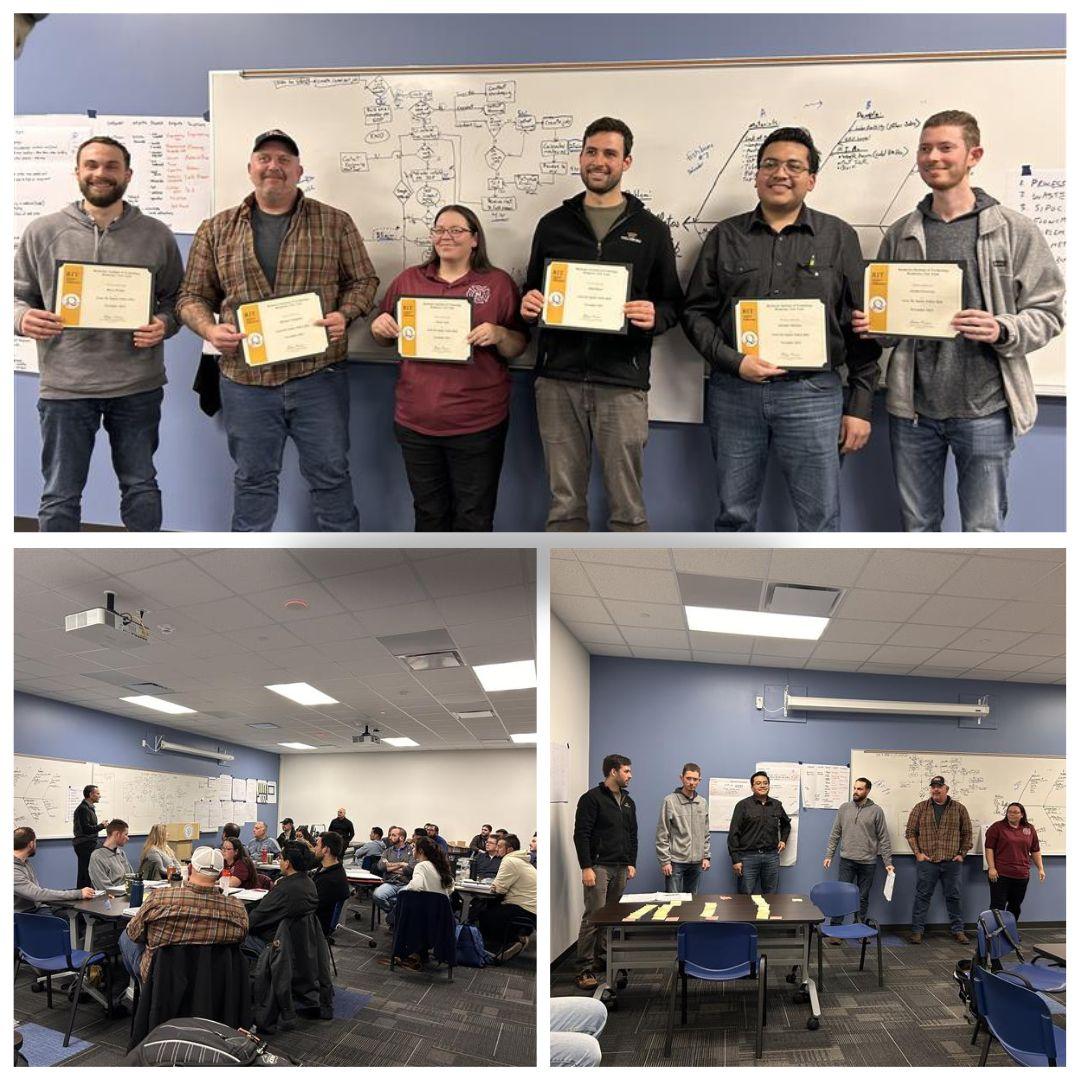
The Council of Industry is pleased to be offering Lean Six Sigma: Yellow Belt this Fall! Attendees will be introduced to the Define, Measure, Analyze, Improve, and Control improvement process and some of the tools associated with each stage.
The following topics will be focused on during the training:
- Resistance to Change
- 5-S and Visual Controls
- Team Building
- Problem Solving Process
- Statistical Thinking
During this interactive Yellow Belt training, each group of participants will identify opportunities within their respective work areas and ways to improve those areas utilizing the taught problem-solving tools. The teams will present their identified work area opportunity and suggested solutions.
When: October 13th, 14th and 15th, 8:30 - 4:00 PM
Where: DCC @ Fishkill
|
|
|
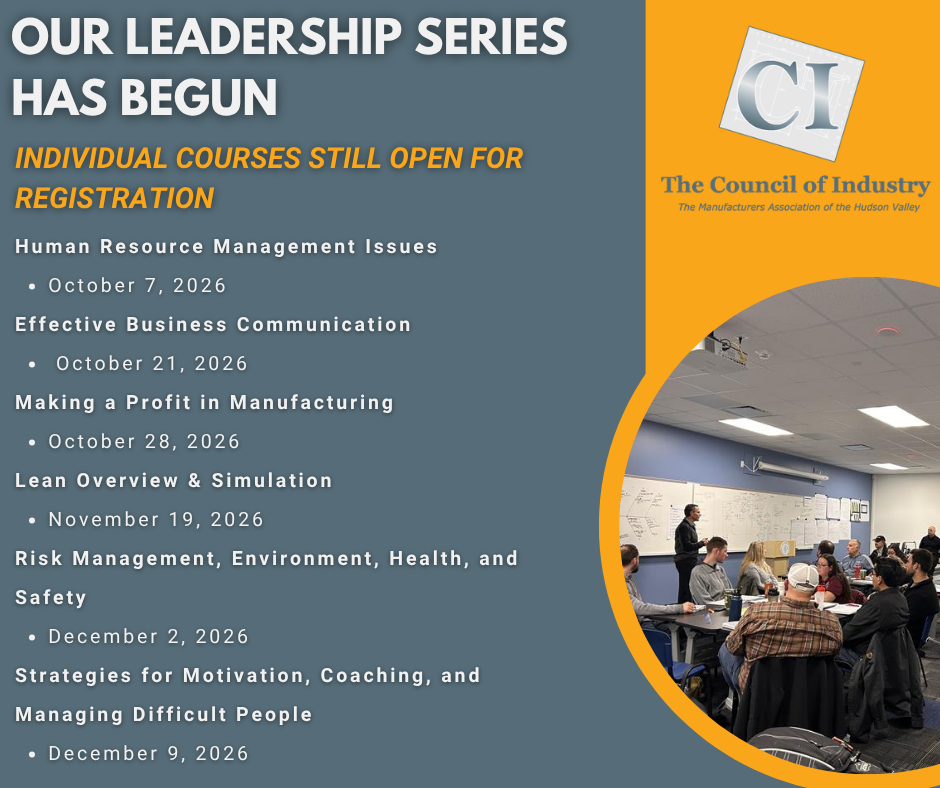
Individual Course Registration Available for our Certificate in Manufacturing Leadership Series
|
|
|
You don’t have to attend the full series to strengthen your leadership skills!
Individual course registration is available for the Council of Industry’s Certificate in Manufacturing Leadership Series at SUNY Orange’s Newburgh Campus.
Choose the courses that best fit your professional development goals, with topics including leadership, communication, coaching, human resources, lean manufacturing, financial performance, workplace safety, and more.
Whether you’re developing a new supervisor or helping an experienced leader sharpen their skills, individual courses offer a flexible way to invest in your team.
Explore upcoming courses and register today!
|
|
|
Customized Training For Hudson Valley Manfuactuirng
|
|
|
The Council of Industry has long been a leader in consortium-based training for Mid-Hudson manufacturers. Our model of bringing a small numbers of employees from multiple companies together benefits from the diverse experiences of the participants and has proven to be very cost effective.
While we will continue to deliver training via this model we now also have the resources to deliver customized training to individual manufacturers as well.
Through collaboration with our education and consulting partners we can deliver a wide range of training courses including, but not limited to:
- Leadership
- Lean
- Project Management
- Blueprint reading
- SolidWorks and other design software
- Supply chain management
- And more!
Want to know more? Contact Harold King
|
|
|
Filling Fast! Annual Luncheon & Expo is November 20
|
|
|
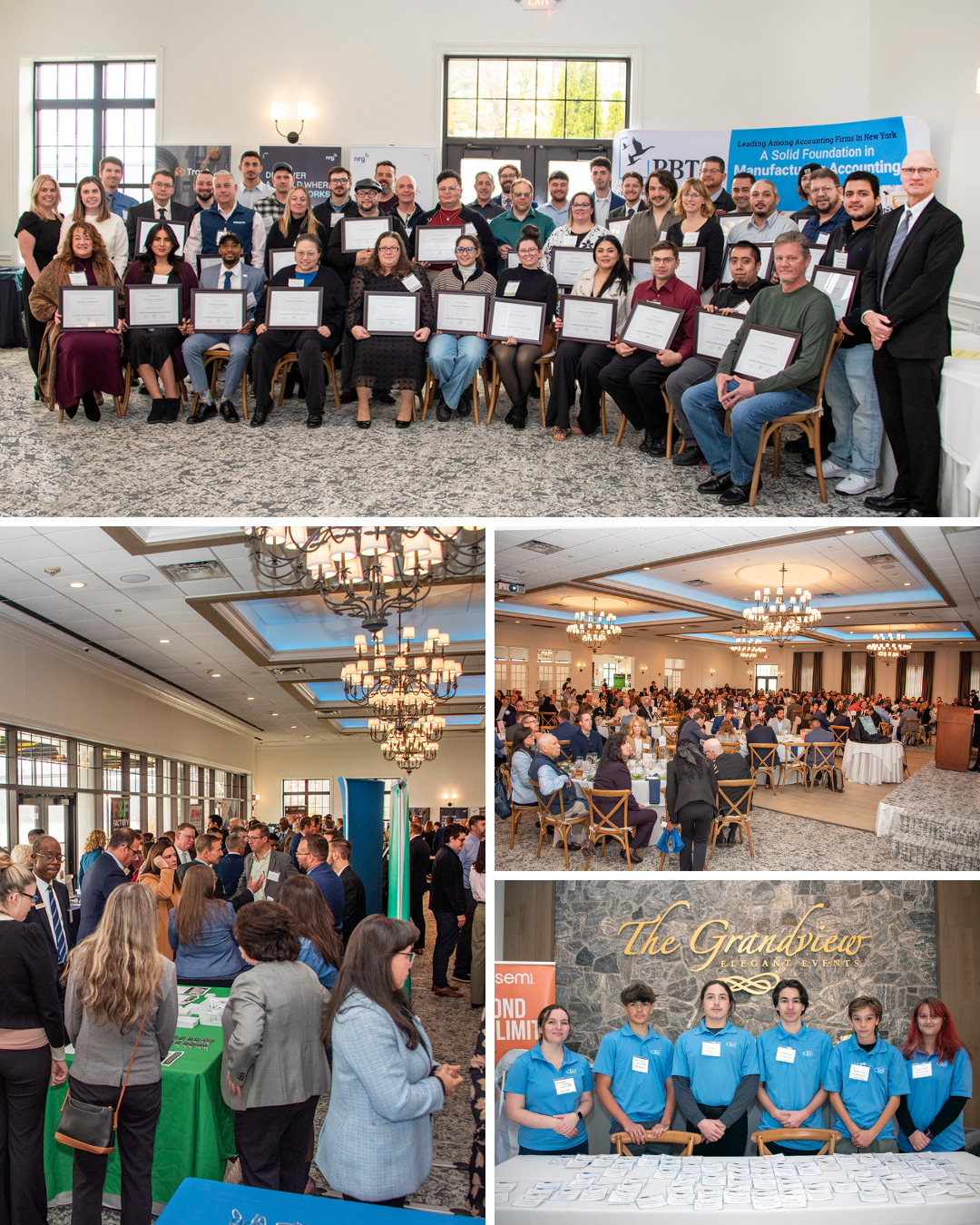
The Council of Industry's 2026 Annual Luncheon & Member Expo will take place on Friday, November 20, from 11:00 a.m. to 2:00 p.m. at The Grandview in Poughkeepsie.
As one of the Council's signature events, the Luncheon brings together manufacturers, associate members, community partners, educators, and industry leaders from across the Hudson Valley for an afternoon of networking, collaboration, and celebration.
The event begins with the Member Expo, where attendees can connect with fellow members, discover new products and services, and strengthen relationships with businesses that support manufacturing throughout the region.
Following the expo, guests will enjoy lunch, the Council's annual program, and the recognition of graduates from the Certificate in Manufacturing Leadership program.
This year's keynote speaker, Neal Moriarty, IBM's Innovation Studio Leader and Senior Quantum Ambassador, will provide an engaging look at one of the most important emerging technologies: quantum computing. During his presentation, he will explore the current state of quantum computing, its practical implications, and what manufacturers should know as the technology continues to evolve.
|
|
October 2nd Manufacturing Day Kicks Off a Month of Student Tours and Events
|
|
|
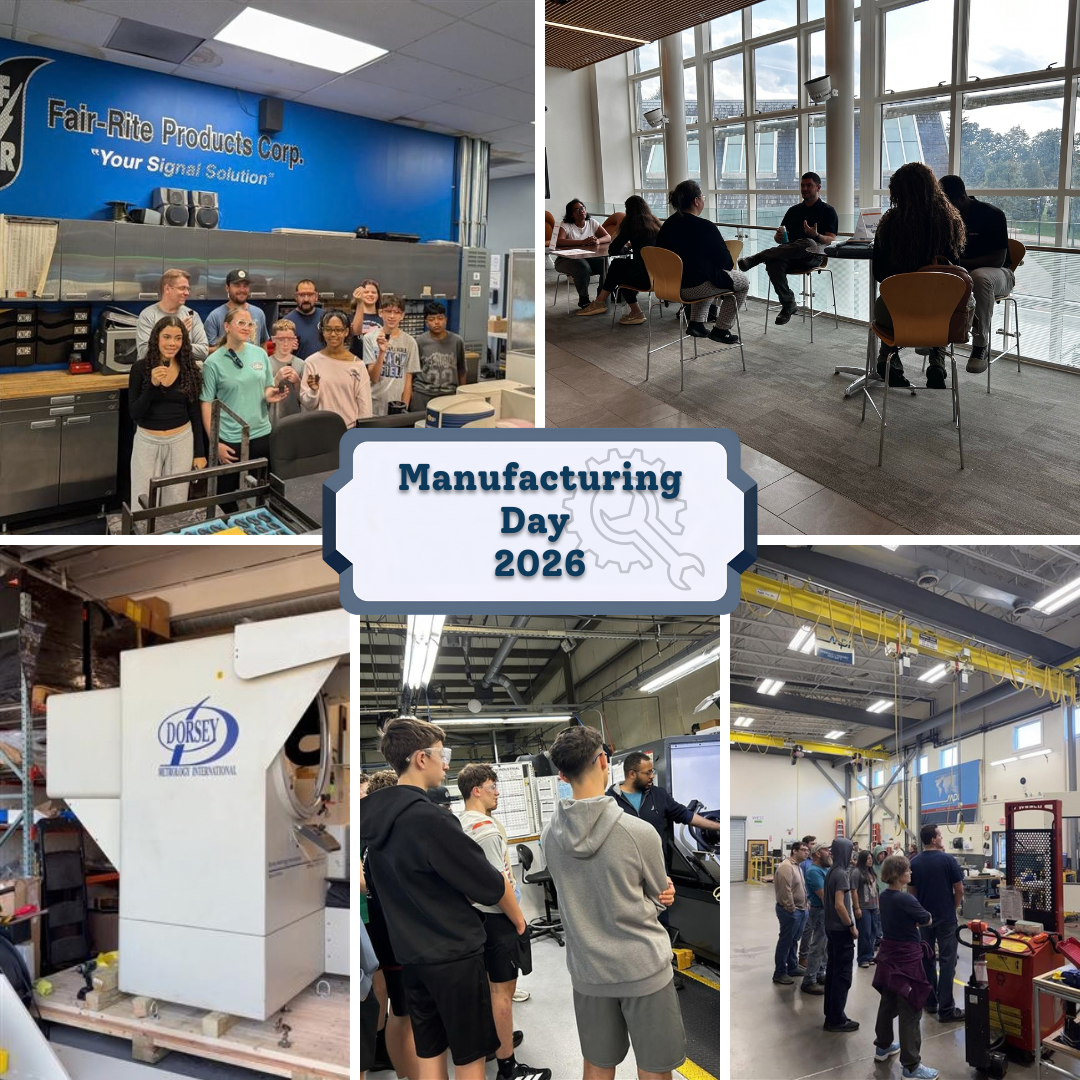
Manufacturing Day on October 2 marked the start of a month dedicated to introducing the next generation to the people, companies and career opportunities that make up the Hudson Valley’s manufacturing sector.
To celebrate, students across the region stepped inside local manufacturing facilities for a firsthand look at the industry. Students from Marlboro High School visited Sono-Tek Corporation, while students and parents from Dutchess BOCES and Dutchess Community College’s Mechatronics Lab toured MPI and Dorsey Metrology in Poughkeepsie. Students from John G. Borden Middle School also visited Fair-Rite Corporation in Wallkill.
The celebration continues on October 16, when Newburgh Free Academy’s new Career and Technical Education Center will host Hudson Valley Focus LIVE for a special Manufacturing Month broadcast highlighting manufacturing, workforce development and career opportunities throughout the region. Additionally, Students from Orange-Ulster BOCES will be visiting Blaser Swisslube and President Container Group later this month.
There’s still time to get involved! The Council of Industry is continuing to connect local schools with manufacturers for facility tours throughout October, giving more students the opportunity to see modern manufacturing in action and explore career pathways close to home.
Whether you’re a manufacturer interested in opening your doors or a school looking to arrange a student visit, the Council of Industry is happy to help make the connection.
Interested in hosting or scheduling a tour this October? Contact us to get started!
|
|
Upskill Your Workforce With Manufacturing Apprentice Program Quality Assurance Auditor (QAA) Trade
|
|
|
When we think about manufacturing trades our minds quickly go to Machinist, Toolmaker or Mechanic. Seldom do we think about quality assurance. This trade, however, which is available through the Council of Industry’s’ MIAP apprentice program, has proven to be extremely valuable to the companies who use the Quality Assurance Auditor to upskill employees in their quality departments.
A Quality Assurance Auditor is responsible for ensuring that products, services, or processes meet established quality standards and regulatory requirements. They conduct thorough evaluations, inspections, and audits to identify areas of improvement, implement corrective actions, and maintain compliance with industry-specific guidelines. You may give them a different title, but if you need to train and individual to have the skills listed below you might consider this apprenticeship for them.
The Council of Industry sponsors 8 manufacturing trades through The Manufacturers Intermediary Apprenticeship Program (MIAP.) These are New York State Department of Labor approved trades ranging in length from 12 months to 4 years. These apprenticeships consist of two pieces: On-the-Job Training (OJT) and Related Instruction (RI).
OJT allows an apprentice to learn firsthand from a skilled craftsperson who will demonstrate and share their experience in the field
In RI, apprentices will learn the theory - and knowledge - based components of the craft. They must complete 144 hours of classroom or online training each year.
Work Processes (Skills learned on the Job) Approximate Hours for Quality Assurance Auditor (2000 per year):
- Workplace Orientation: 300 hours
- Workplace Fundamentals: 400 hours
- Quality Assurance Fundamentals: 700 hours
- Auditing: 2,000 Hours
- Maintenance and Record Keeping: 600 Hours
Total Hours: 4,000
Minimum of 144 Hours of Related Instruction (Classroom Learning) Required for Each Apprentice for Each Year:
- Safety & Health
- Engineering Drawings
- Mathematics
- Trade Theory and Science
- Computer Fundamentals
- Welding (if performed on-the-job)
- Working on High-Voltage Manufacturing Equipment
- Interpersonal Communications: oral and written
- Sexual Harassment Prevention
If you want to know more about the Quality Assurance Auditor trade and see if it might be right you’re your company contact Emma Olivet
Learn more about The Council of Industry’s Apprentice Program
|
|
|
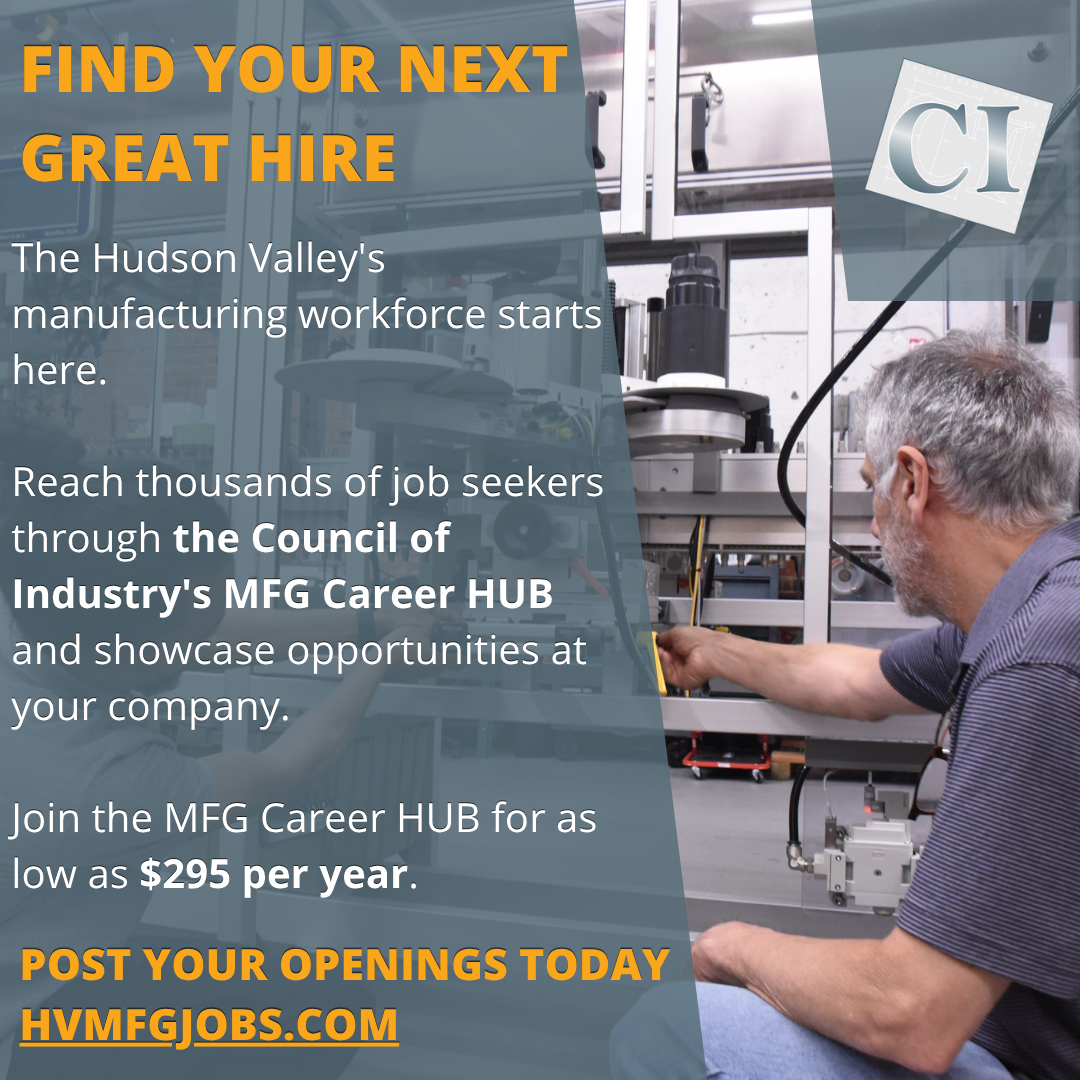
Subscribers to the Manufacturing Career Hub can view candidate resumes and contact information by searching the Candidate ID Number in the iCIMS platform.
Not yet a participant of the Career Hub? Contact Emma Olivet directly for additional candidate details or to learn more about the recruiting initiative.
|
|
|
Candidate ID: 30049
Position Interest: Environmental Science / Environmental Research / GIS / Data Analysis / Environmental Technician
Level: Entry-Level / Full-Time
Skills: Environmental research; GIS and mapping; ArcGIS Pro; ArcGIS Online; RStudio; Microsoft Office; Google Suite; data collection and analysis; statistical analysis; environmental fieldwork; laboratory calculations; unit conversion; scientific documentation; safety protocols; research presentation; technical writing; data visualization; teamwork; project collaboration
Education: Binghamton University, State University of New York - Bachelor of Science in Environmental Science: Earth Systems
Availability: Open to Interviews
Location/Commute: Newburgh, NY
Recent Environmental Science graduate with hands-on experience in environmental research, GIS mapping, data collection, and scientific analysis. Completed multiple collaborative research projects examining freshwater quality, invasive species, and paleobiological data, using tools including ArcGIS Online, ArcGIS Pro, RStudio, and Microsoft Excel. Experienced in collecting and analyzing field data, developing maps and visualizations, synthesizing complex findings, and presenting research to varied audiences. Brings strong attention to detail, laboratory and fieldwork experience, and a collaborative approach to project-based work.
|
|
Candidate ID: 45426
Position Interest: Data Analyst / Supply Chain Analyst / Supply Chain Operations / Business Analyst
Level: Entry-Level / Full-Time
Skills: Data collection and analysis; qualitative research; market research; stakeholder interviews; thematic analysis; data documentation; report development; actionable recommendations; inventory recordkeeping; payment reconciliation; operational processes; employee training; customer service; communication; teamwork; problem solving; Microsoft Office
Education: State University of New York — Bachelor of Science in Business Administration, Minor in Athletic Coaching (May 2026)
Availability: Open to Interviews
Location/Commute: Hudson Valley, NY
Recent Business Administration graduate with experience in data collection, qualitative research, market analysis, and operational processes. Completed a market research project involving stakeholder interviews, qualitative data collection, thematic analysis, and synthesis of findings into actionable recommendations for organizational decision-making. Also brings hands-on experience with inventory recordkeeping, transaction reconciliation, store operations, and employee training. Interested in applying a business and analytical background to an entry-level data analysis or supply chain role.
|
|
|
News for HR and Workforce Professionals
|
|
|
iCIMS September Insights – Openings and Hiring Slow
|
|
|
August continued a pattern that has been building since June. Job openings finished 13% above the August 2025 baseline. This is still elevated, but the pace of growth is slowing. Month over-month growth for job openings fell from 7% in June to 4% in July to just 1% in August. Three consecutive months of deceleration is worth watching closely. It could be normal pacing after a hiring surge or an early signal that demand is turning.
Hires ended the month at a 2% increase above the August 2025 baseline and posted their first back-to-back monthly decline of the year, down 1% month-over-month in August after a 3% drop in July. The gap between hiring and openings held steady but is still significant enough to cause pressure on recruiting teams trying to stay ahead.
Applications remained 1% below the August 2025 baseline but are on their third consecutive month of gains after the sharp decline in May. The recovery is promising, but it has not closed the gap enough.
Skills-based hiring is having a moment, especially as organizations rethink how they evaluate candidates for an AI-upgraded workforce.
AI hiring demand is concentrated rather than distributed as you look at job titles. Six occupations had the highest share of postings requiring AI skills: Generative AI engineer, Natural language processing engineer, Machine learning engineer, Artificial intelligence engineer, Deep learning engineer, Data scientist.
Read the Report
Learn more about the Council of Industry’s Manufacturing Career Hub Driven By iCIMS
Check out the MIAP Apprentice Program
|
|
|
Skills-Based Hiring: The Long Road from Pronouncements to Practice
|
|
|
Employers are facing major challenges in closing their skills gaps, diversifying their workforces, and remaining agile in a rapidly changing global economy. As a result, many employers are pursuing skills-based hiring and advancement strategies. They are starting to re-align their requirements by asking for only their most critical specific skills while reducing their use of more indirect indicators of skills such as traditional college degrees and work experience that prevent them from tapping into a broader and more diverse pool of candidates pursuing alternative pathways. They also are exploring new recruitment and hiring practices enabled through advanced data analytics. However there remain many barriers to adoption and scaling.
Measuring the progress of the skills-based hiring movement by tracking the number of employers that eliminate degree requirements is a necessary precondition for making substantive progress. However, it does not, in and of itself, represent substantive progress. Analyzing actual hiring patterns for indication of whether firms are changing whom they are hiring is the only true means of assessing the actual impact of corporate commitments.
Read more at the Burning Glass Institute
Learn more about the Council of Industry’s Skills Based Hiring service
|
|
|
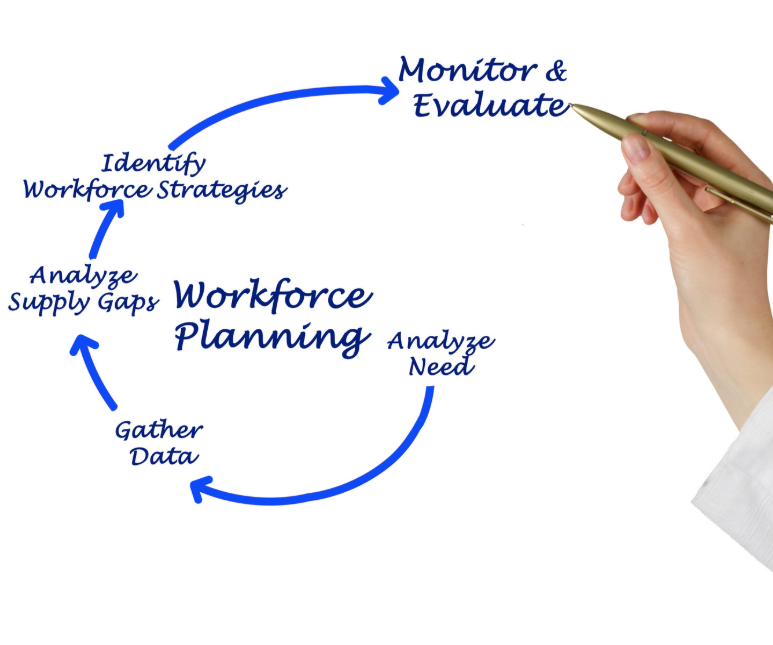
Aligning HR, Finance and Operations in Your Workforce Planning Strategy
|
|
Workforce decisions rarely belong to one person or one department. Human resources, finance and operations all weigh in on hiring freezes and compensation adjustments. Each function sees something different even though they’re looking at the same problem. HR considers the effect on culture and retention, finance sees the effect on the budget and the bottom line, and operations thinks about the effect on output and service delivery. All of these views are valid, but they’re incomplete on their own. Organizations tend to run into trouble when leaders make decisions based on whichever lens is loudest in the room. The consequences show up later, and they can be a bigger problem than the one the decision was meant to solve.
Alignment happens when all three functions can see the full picture together. To get there, you need open communication among senior leaders in HR, finance and operations. Each department needs to be able to state their priorities clearly while remaining open to the others’ point of view. When that happens, HR becomes a strategic partner, helping the organization weigh immediate operational pressure against where the workforce needs to be in a year (or five).
Read more at ADP
|
|
What The Insecure Manager Tax Actually Costs Organizations
|
|
We’ve watched this pattern play out dozens of times. A brilliant engineer who consistently unblocks critical projects suddenly finds herself sidelined. A product manager whose ideas drive revenue starts getting inexplicably negative reviews. A clinician with exceptional outcomes is quietly managed out after raising quality concerns. The common thread? Their manager felt threatened by their competence. This isn’t garden-variety bad management. It’s defensive leadership—when managers perceive subordinate excellence as a personal threat and respond by suppressing, sidelining or expelling the very talent organizations desperately need to retain.
What Organizations Can Do - This is fixable with targeted structural and cultural interventions. The most effective organizations I work with deploy four interlocking strategies:
• Remove the gatekeeping power. Make it structurally difficult for any single manager to hoard or suppress talent by building mobility systems that employees can access independently.
• Make defensive behavior visible. Implement multi-source feedback that specifically surfaces defensive leadership indicators. Include items like “My manager supports my visibility with senior leadership” and “My manager advocates for my development even when it might lead to my moving on.”
• Embed procedural justice. Your talent systems need transparent criteria, calibration across managers to catch outliers, mandatory documentation and accessible appeals processes.
• Rebuild the manager value proposition. Help managers reframe their contribution from “I have to be the smartest person in the room” to “I must enable team performance and developing talent.”
Read more at Forbes
Learn more about the Council’s Certificate in Manfuacturing Leadership Training
|
|
|
Nearly Half Of Workers Are Career Cushioning. Is Your Learning & Development Program Ready?
|
|
|
Nearly half of American office workers are building a professional exit ramp. New research reveals career cushioning has become a defining workplace behaviour of 2026. The practice – building parallel skills and exploring alternative career paths while still employed – impacts how organisations design and invest in learning and development (L&D) programs. TripleTen commissioned a poll of 2,000 US office workers, conducted by Talker Research. It found 48% of respondents are currently career cushioning. Of those, 77% said they have already begun preparing for a backup career.
Workers are not waiting for their employers to upskill them; they are doing it themselves. The Talker Research data shows 79% have learned new skills not previously held. Those include: using AI chatbots for everyday tasks (34%) deploying AI built into existing software (33%) keeping up with evolving technology terminology (30%). Among those who upskilled, 44% reported greater confidence and 36% felt more secure in their roles. A further 30% went on to teach colleagues the same skills. The research on career cushioning sends a clear signal to HR leaders: workforce capability investment is fundamentally a people challenge, not a technology one. Workers are building skills faster than many organisations are tracking. That gap is a workforce management problem HR cannot afford to ignore.
Read more at Human Resources DirectorGlassdoor
|
|
|
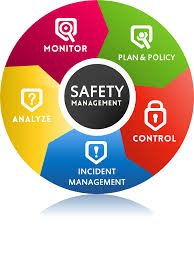
5 Things Manufacturers Still Get Wrong About Safety
|
|
|
Building a strong safety culture requires more than addressing individual hazards as they arise. It requires organizations to recognize the behaviors, practices, and mindsets that can undermine their safety efforts—and take deliberate steps to change them. In the sections that follow, we’ll examine five common mistakes that can stand in the way of a strong safety culture, why they matter and what organizations can do to correct, address or prevent them.
Avoiding these mistakes isn’t simply about improving safety metrics or checking another box on a compliance list. It’s about creating a workplace where people are encouraged to speak up, leaders actively listen, and everyone understands their role in protecting themselves and those around them. The sooner organizations identify these pitfalls and begin addressing them, the greater the opportunity to build a culture that supports both safer work and stronger overall performance.
Mistake No. 1: Believing Compliance Equals Safety - Compliance is only the starting point. OSHA regulations establish important minimum standards that protect workers across the industry. The key word, however, is minimum. Rather than asking, "Are we compliant?" organizations ask, "How can we make this task safer than it was yesterday?"
Mistake No. 2: Treating Safety as One Person's Job - Many organizations still view safety as the responsibility of a safety manager or environmental, health, and safety department. Safety works best when ownership is shared. That means executives discuss safety with the same level of importance as financial performance. Every employee, from leadership to the front line, shares responsibility for maintaining a safe workplace.
Mistake No. 3: Thinking Safety Lives Solely in Training Sessions - Annual safety training serves an important purpose, but no single training session can shape workplace culture for an entire year. Culture is built over time through repetition. Employees pay attention to what leaders discuss every day, not just during scheduled training.
Mistake No. 4: Focusing on Rules Instead of Hazard Elimination - Another common mistake is relying too heavily on employees to work safely around hazards that could be eliminated or reduced through better design. A mature safety culture looks beyond asking, "How do we make employees work safely around this hazard?" and instead asks, "How can we eliminate or reduce the hazard altogether?"
Mistake No. 5: Taking Action Only After Something Goes Wrong - Some organizations become highly focused on safety after an injury, equipment damage or serious near-miss. Strong safety cultures pay attention to near-misses, employee concerns, recurring hazards and small warning signs before they become serious incidents. Employees should have clear ways to report hazards as well as the assurance that those reports will lead to meaningful action rather than blame or inaction.
Read more at EHS Today
|
|
|
Workplace Mental Health Support Programs Are Increasing Scope
|
|
|
Mental Health America issued a report that highlights trends they are seeing in mental health. They based these trends on the companies that were awarded the Bell Seal. The Seal is awarded based on how companies address the following areas:
Workplace culture: Evaluates how an organization strategically addresses employees’ well-being, fosters supportive people managers, enforces fair personnel procedures, and promotes professional development.
Mental health benefits: Identifies which mental health benefits, such as health insurance, an employee assistance program (EAP), and paid leave, the organization offers and how it supports employees in accessing them.
Caring beyond compliance: Assesses how an organization fosters an inclusive, psychologically safe work environment that prioritizes prevention and early intervention and encourages employees to seek support when needed.
Holistic wellness at work: Measures how an organization empowers its workplace mental health champions, promotes awareness, facilitates peer connection, and offers resources that support employees’ whole health, including mental, physical, environmental, and social health.
Connection is Key
Analyzing the 2026 winners of the Bell Seal, the organization discovered key themes. One is that it's the connection, not the location, that mattered when addressing this issue. Here are the actions they are taking:
· 99% provide opportunities for employees to connect with their teams and peers.
· 97% have a team or individual to support well-being, such as an employee resource group or culture committee,
· 83% provide their employees volunteer opportunities,
· 63% provide peer support or mentoring to employees with mental health concerns.
Read more at EHS Today
|
|
|
The Council of Industry focuses on advancing manufacturing excellence, workforce innovation, advocacy, and strategically positioning its members within the Hudson Valley region and beyond. It is the premier manufacturers' association for Southeastern New York, representing over 160 member firms. Grow, Train, and Succeed with the Council of Industry.
Council of Industry - www.councilofindustry.org - (845) 565-1355
If you’re part of a Council of Industry member company and not yet subscribed, email us. If you’re not a Council member, become one today
|
|
|
|
|